New World Poetry: Ruben Dario by Stephen Zelnick
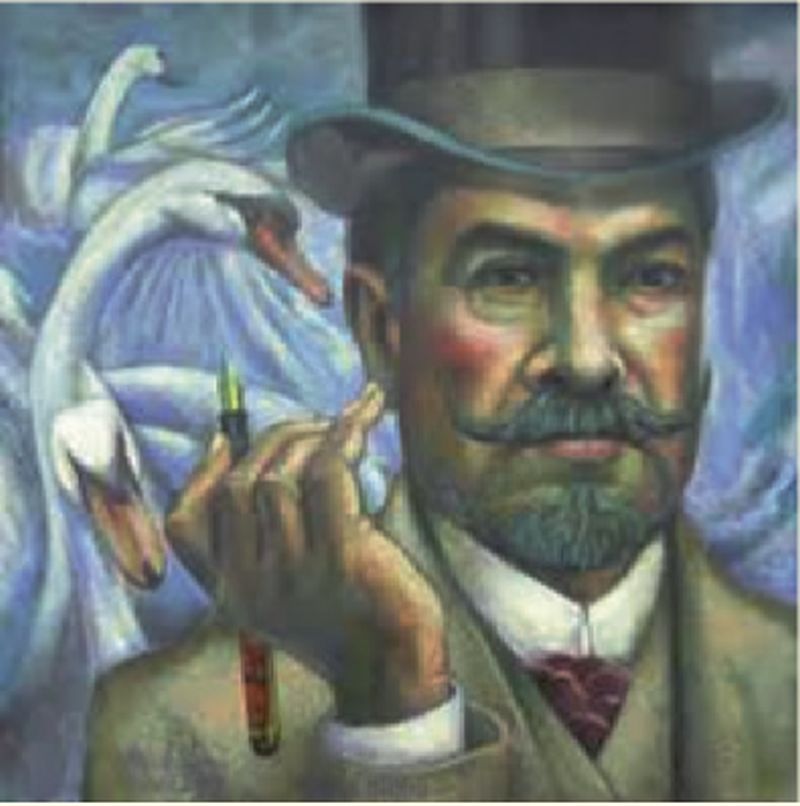
Like Neruda and Mistral, Darío’s name was acquired. He was born Félix Rubén García Sarmiento in a no-account town in Nicaragua. His parents disappeared soon after his birth, and he was raised by family members. He grew up with religious mysteries that haunted his dreams and filled him with heavenly light. In his autobiography, Darío claims he was a reader at three and lists an impressive bibliography. Jesuits spotted his hunger for reading and found work for him in his teen years at a library in Managua. A Nicaraguan David Copperfield, Darío was soon publishing, pursuing his brilliant and unlikely destiny.
.
His first volume, Azul (1888), drew critical attention, some quite negative. Azul is a small volume, mostly in prose, but the poetry is a new voice for Spanish, more French in style and subject, as in “De Invierno” (Of Winter):
En invernales horas, mirad a Carolina.
In winter hours, looking at Carolina…
Medio apelotonada, descansa en el sillón,
half snuggled into a ball, resting on a couch,
envuelta con su abrigo de marta cibelina
wrapped in her coat of cybeline sable,
y no lejos del fuego que brilla en el salón.
not far from the fire that glows in the salón.
El fino angora blanco junto a ella se reclina,
The fine white angora reclines next to her,
rozando con su hocico la falda de Aleçón,
rubbing his muzzle in her skirt of Aleçón silk,
no lejos de las jarras de porcelana china
not far from the porcelain china jars
que medio oculta un biombo de seda del Japón.
half hidden by a silken Japanese screen.
Con sus sutiles filtros la invade un dulce sueño:
Sweet dreams, with subtle hints, possess her:
entro, sin hacer ruido: dejo mi abrigo gris;
I enter, without a sound: remove my gray coat;
voy a besar su rostro, rosado y halagüeño
and kiss her face, rosy and alluring
como una rosa roja que fuera flor de lis.
as a red rose or fleur-de-lis. She
Abre los ojos; mírame con su mirar risueño,
opens her eyes; looks at me with sunny smile,
y en tanto cae la nieve del cielo de París.
while the snow covers all under Paris skies.
Azul (1888) All translations are by S. Zelnick
“De Invierno” invokes no gods or mysteries and manages its realism quietly. It portrays the luxurious world of a European aesthete; its language is free and open, and the voice pleasantly relaxed rather than rhapsodic, a mood fashioned in deft sketches.
1. Pythagorean Harmonies
Darío’s poetry is cerebral and derives from pre-Christian sources, notably a tradition associated with the pre-Socratic mathematician and philosopher Pythagoras. The creed suits poets well, emphasizing correspondences among nature, mind, and soul and a strong drift towards harmony. Modern life is out of tune; and, as in “Torres de Dios Poetas!”, the poet works to reestablish original harmonies.
Torres de Dios Poetas!
Towers of God are the poets!
Pararrayos celestes,
Celestial lightning rods,
que resistís las duras tempestades,
that withstand the hard tempests,
como crestas escuetas,
like gentle crests,
como picos agrestes,
like country peaks,
rompeolas de las eternidades!
break-waters of the eternities!
La mágica Esperanza anuncia el día
Through magic, Hope announces that day
en que sobre la roca de armonía
when the treacherous siren
expirará la pérfida sirena.
expires on the rock of harmony.
Esperad, esperemos todavía!
That Hope, we hope for still!
Esperad todavía.
Hope still.
El bestial elemento se alza
The bestial element arises,
En el odio a la sacra prosa,
despising the sacred wisdom,
y se arroja baldón de raza a raza.
and insult is hurled from race to race.
La insurrección de abajo
Insurrection from below
tiende a los Excelentes.
aims its dart at Excellence.
El caníbal codicia su tasajo
The cannibal lusts after his prize
con roja encía y afilado dientes.
with red gums and filed teeth.
Torres, poned al paredón sonrisa.
Towers defend with thick walls of smiles.
Poned ante ese mal y ese recelo,
Standing against this evil and mistrust,
una soberbia insinuación de brisa
with a proud puff of breeze, with
y una tranquilidad de mar y cielo….
the tranquility of sea and sky… Cantos de Vida y Esperanza (1905)
Sirens arouse treacherous desires, but poets supply the sources of harmony. The world is torn by bestial hatreds, racial insults, Caliban’s jealous hunger to drown excellence in mud and savage lust. The poet defends and renews us. As in this excerpt from “Las Ánforas de Epicuro”:
La celeste unidad que presupones
The celestial unity, presuposing
hará brotar en ti mundos diversos,
it will sprout in your diverse world
y al resonar tus números dispersos
and echo your endless variety,
pitagoriza en tus constelaciones.
whistles in your constellations.
Escucha la retórica divina
Hear the divine rhetoric
del pájaro del aire y la nocturna
of the birds in flight and the nocturne
irradiación geométrica adivina;
foretelling multiple irradiations;..
Prosas profanas (1896-1901)
Beneath the endless diversity of things lies a “celestial unity”; the birds’ mysterious nocturne hints at harmony radiating outward through all things.
“Caracol” (Sea Shell) includes the long path of history. The “irradiation” links phenomena in the present, but also the present with ancient myth. The sea shell echoing immortal sounds is the human heart:
En la playa he encontrado un caracol de oro
On the beach I found a golden shell,
macizo y recamado de las perlas más finas;
massive and studded with pearls most fine;
Europa le ha tocado con sus manos divinas
Europa had touched it with her hands divine
cuando cruzó las ondas sobre el celeste toro.
when she crossed the waves on a heavenly bull.
He llevado a mis labios el caracol sonoro
I raised to my lips the sonorous shell
y he suscitado el eco de las dianas marinas,
and stirred up an echo of sea reveilles,
le acerqué a mis oídos y las azules minas
placed it to my ear and the blue mines
me han contado en voz baja su secreto tesoro.
whispered to me their secret treasure.
Así la sal me llega de los vientos amargos
So the salt comes to me from the sharp winds
que en sus hinchadas velas sintió la nave Argos
that the Argos felt in its swollen sails
cuando amaron los astros el sueño de Jasón;
when the stars blessed Jason’s dream;
y oigo un rumor de olas y un incógnito acento
I hear the waves murmur in accents unknown
y un profundo oleaje y un misterioso viento...
and a deep tide and mysterous wind …
(El caracol la forma tiene de un corazón.)
(from the shell shaped like a heart.)
Cantos de vida y esperanza (1905)
Attempting to understand the “murmur in accents unknown”, the poet revives the ancient myths, the “sea reveilles” that manifest the “deep tide and mysterious wind” in things. This poem models perfect harmony; not only the sonnet form, but the balance of each line poised gently on its caesural pause.
The Pythagorean smile, as in “Aleluya!”, includes the body’s joys, free and blissful:
Rosas rosadas y blancas, ramas verdes,
Red and White roses, and green branches,
corolas frescas y frescos
fresh buds and
ramos, Alegría!
fresh boughs, Such joy!
Nidos en los tibios árboles,
Nests in the warm trees,
huevos en los tibios nidos,
eggs in their warm nests,
dulzura, Alegría!
so sweet, Such joy!
El beso de esa muchacha
The kiss of this blonde
rubia, y el de esa morena,
girl, and that of this brown one,
y el de esa negra, Alegría!
and that of this black, such joy!
Y el vientre de esa pequeña
And the belly of this little one,
de quince años, y sus brazos
fifteen years old, and her
armoniosos, Alegría!
willing arms, such joy!
Y el aliento de la selva virgen,
And the breath of the virgin forest,
y el de las vírgenes hembras,
and that of the virgin girls,
y las dulces rimas de la Aurora,
and the sweet rhymes of Aurora,
Alegría, Alegría, Alegría!
Joy, Joy, Joy! Cantos de Vida y Esperanza (1905)
Pantheism’s argument is sensuous elation lit by lust, sweetly permitted. This poem sings its truth in free-flowing verse without rhyme or reason. Art welcomes us to embrace the harmonizing forces in our minds and spirits. Darío praises many artists – here Cervantes and Velasquez:
UN SONETO A CERVANTES
Horas de pesadumbre y de tristeza paso en mi soledad.
Pero Cervantes es buen amigo.
Endulza mis instantes ásperos, y reposa mi cabeza.
Hours of depression and sadness
I pass in my solitude. But Cervantes
is a good friend. He sweetens my bitter moments, and soothes my head
.
Él es la vida y la naturaleza,
regala un yelmo de oros y diamantes a mis sueños errantes.
He is life and nature,
provides a helmet of diamonds and gold to my wandering dreams.
Es para mí: suspira, ríe y reza.
It’s for me: I sigh, smile and pray.
Cristiano y amoroso y caballero Christian,
dear friend, caballero…
parla como un arroyo cristalino.
He speaks like a crystal stream.
¡Así le admiro y quiero,
So I admire and want him,
viendo cómo el destino
coming like destiny
hace que regocije al mundo entero
he reconciles this sad world with
la tristeza inmortal de ser divino!
the divine being of the immortal.
Cantos de vida y esperanza (1905)
He praises Velasquez in an imagined letter from the dramatist Góngora, who sat for a famous Velasquez portrait, to his renowned friend:
Mientras el brillo de tu gloria augura
While your glory promises to shine
ser en la eternidad sol sin poniente,
in eternal sun that never sets,
fénix de viva luz, fénix ardiente,
phoenix of living light, burning phoenix,
diamante parangón de la pintura,
diamond paragon of painting,
de España está sobre la veste oscura
from Spain it shines through the veil obscuring
tu nombre, como joya reluciente,
your name, like a resplendent jewel,
rompe la Envidia el fatigado diente,
and envy cracks its worn-out tooth,
y el Olvido lamenta su amargura.
while those forgotten mourn in bitterness.
Yo en equívoco altar, tú en sacro fuego,
I at my ambiguous altar, you at your sacred fire,
miro a través de mi penumbra el día
I see through the haze of my day
en que el calor de tu amistad, don Diego,
the heat of your friendship, Don Diego,
jugando de la luz con la armonía,
playing with the harmony of light,
con la alma luz, de tu pincel el juego
with the soul’s light, that with your brush’s play
el alma duplicó de la faz mía.
copied the soul of my face.
Cantos de Vida y Esperanza (1905)
The writer serves at an “ambiguous altar” unable to fix a clear image through the haze of language, while the painter, at play with harmonious light, copies Góngora’s soul in his features. This poem, formal and precise, balances its calm precision with friendship’s warmth, a harmonizing theme with Darío.
2. The Joys of Sensuality
“Alaba Los Ojos Negras de Julia” (Praising Julia’s Dark Eyes) moves from the witty search for classical comparisons to sensuality. The smooth-flowing lines, lending the guise of sincerity, create a verbal serenade in the beloved’s garden, in the exaggerated accents of Cyrano and John Donne:
¿Eva era rubia? No. Con negros ojos
Was Eve a red-head? No. She saw the garden’s
vio la manzana del jardín: con labios
apple with dark eyes; with red lips
rojos probó su miel; con labios rojos
tasting of honey; red lips
que saben hoy más ciencia que los sabios.
that know today more science than the wise.
Venus tuvo el azur en sus pupilas,
Venus had blue eyes,
pero su hijo no. Negros y fieros,
but her son did not. Black and fiery,
encienden a las tórtolas tranquilas
they burned at peaceful love-birds
los dos ojos de Eros.
those two eyes of Eros.
Los ojos de las reinas fabulosas,
Those eyes of fabulous queens,
de las reinas magníficas y fuertes,
-- magnificent and mighty --
tenían las pupilas tenebrosas
were dark eyes
que daban los amores y las muertes.
shining with love and death.
Pentesilea, reina de amazonas;
Pentesilea, Amazon queen;
Judith, espada y fuerza de Betulia;
Judith, sword of Betulia;
Cleopatra, encantadora de coronas,
Cleopatra, enchantress of crowns,
la luz tuvieron de tus ojos, Julia.
they had your eyes, Julia.
La negra, que es más luz que la luz blanca
Black, with more light than the bright light
del sol, y las azules de los cielos.
of the sun, and the azure of the heavens.
Luz que el más rojo resplandor arranca
Light that the reddest splendor steals
al diamante terrible de los celos.
to form the terrible diamond of jealousy.
Luz negra, luz divina, luz que alegra
Black light, light divine, light that pleases,
la luz meridional, luz de las niñas,
light of the South, light of little girls,
de las grandes ojeras, ¡oh luz negra
great eyes to stare at, ¡oh, black light
que hace cantar a Pan bajo las viñas!
that made Pan sing beneath his grape-vines!
Prosas profanas (1896-1901)
“Para La Misma” (For the Same) experiments with short-line verse. The spare detail produces a delicate poem as much about art as Eros. The poem praises a Cuban beauty whose features evoke Japanese delicacy and mystical “there-ness”:
Miré al sentarme a la mesa,
Seated at the table, I saw,
bañado en la luz del día
bathed in bright day-light,
el retrato de María,
the portrait of Maria,
la cubana japonesa.
my Cuban “Japonesa”.
El aire acaricia y besa,
The air caresses and kisses
como un amante lo haría,
like a lover she would have --
la orgullosa bizarría
the proud gallantry
de la cabellera espesa.
of her luxuriant hair.
Diera un tesoro el Mikado
I would give the Mikado a treasure
por sentirse acariciado
to feel cherished by
por princesa tan gentil,
so elegant a princess,
digna de que un gran pintor
worthy to be painted,
la pinte junto a una flor
by a great artist, next a flower
en un vaso de marfil.
in a marble vase.
Prosas profanas (1896-1901)
Darío traveled broadly as a journalist throughout Latin America and Europe. His poetry invokes Nicaragua’s pastures and ragged towns, the tarnished grandeur of Spain, the brilliant salons of Paris, and more. “Margarita” (The Daisy) evokes the French salón and its demi-monde sensuality:
¿Recuerdas que querías ser una Margarita
Remember, you wanted to be a Margarita Gautier?
Fijo en mi mente tu extraño rostro está,
Gautier? your strange face is fixed in my mind,
cuando cenamos juntos, en la primera cita,
when we dined together at our first meeting,
en una noche alegre que nunca volverá.
one happy night never to return.
Tus labios escarlatas de púrpura maldita
Your lips, enscarleted a damned purple hue,
sorbían el champaña del fino baccarat;
sipped champagne from a fine baccarat;
tus dedos deshojaban la blanca margarita,
as you plucked apart a white daisy,
“Yes…no…
«Sí... no... sí... no...» ¡y sabías que te adoraba ya!
yes…no…” and you knew I worshipped you!
Después, ¡oh flor de Histeria! llorabas y reías;
Later, flower of Hysteria! Tears and laughter;
tus besos y tus lágrimas tuve en mi boca yo;
I had your kisses and tears in my mouth;
tus risas, tus fragancias, tus quejas, eran mías.
all your smiles, fragrances, complaints.
Y en una tarde triste de los más dulces días,
One sad afternoon of those sweetest days,
la Muerte, la celosa, por ver si me querías,
Death, so jealous, supposing you wanted me,
¡como a una margarita de amor, te deshojó!
like a daisy of love, plucked you!
Prosas profanas (1896-1901)
“
EPITALAMIO BÁRBARO” (Barbarous Epithalamium) recalls Greek deities. The poem mixes nature celebration – “the naiad weaves her pattern in foam” with a comically tough-talking goddess:
El alba aún no aparece en su gloria de oro.
Even dawn seems dimmed in its golden glory.
Canta el mar con la música de sus ninfas en coro
The sea sings its nymphs’ choral music
y el aliento del campo se va cuajando en bruma.
and the fields’ sweet breath gathers in mist.
Teje la náyade el encaje de su espuma
The naiad weaves her pattern in foam
y el bosque inicia el himno de sus flautas de pluma.
And the forest hymns with flutes of feathers.
Es el momento en que el salvaje caballero
ow flashing before us the
se ve pasar. La tribu aúlla y el ligero
wild caballero -- the tribe howls, the light horse
caballo es un relámpago, veloz como una idea.
is a bolt of lightning, fast as a thought.
A su paso, asustada, se para la marea.
At his fearful step, the tide stands still.
La náyade interrumpe la labor que ejecuta
The naiad halts her delicate weaving
y el director del bosque detiene la batuta.
and the forest conductor sets down his baton.
—¿Qué pasa?—desde el lecho pregunta Venus bella.
“What’s up?” asks beauteous Venus from bed.
Y Apolo: —Es Sagitario que ha robado una estrella.
And Apollo – “Sagittarius has stolen a star.”
Prosas profanas (1896-1901)
“La Negra Dominga” (The black girl Dominga) was written in Havana. It resembles a smutty limerick jotted down in a bar but captures the vibrancy of the real thing:
¿Conocéis a la negra Dominga?
Do you know that girl black Dominga?
El retoño de cafre y mandinga,
She’s offspring of Kafre and Mandinga --
Es flor de ébano henchida de sol.
an ebony flower stuffed with the sun.
Ama el ocre y el rojo y el verde,
She loves ocher and red and bright green,
Y en su boca, que besa y que muerde,
in her mouth, filled with kisses and bites,
tiene el ansia del beso español.
one finds lust for the bold Spaniard’s kisses.
Serpentina, fogosa y violenta,
She’s a serpent, wild and fierce,
Con caricias de miel y pimienta
with caresses, sweet, hot, and spicy,
Vibra y muestra su loca pasión:
she writhes with the pulse of mad passion.
Fuegos tiene que Venus alaba
Bold Venus worships her fires,
Y envidiara la reina de Saba
and the Queen of Sheba is jealous,
Para el lecho del rey Salomón.
from the royal bed of King Salmon.
Vencedora, magnífica y fiera,
Conqueror, magnificent and wild,
Con halagos de gata y pantera
with delights of the cat and the panther
Tiende al blanco su abrazo febril,
her feverish embrace longs for white men,
Y en su boca donde el beso está loco,
and her mouth whose kiss drives to madness,
Muestra dientes de carne de coco
she has teeth like meat of the coconut
Con reflejos de lácteo marfil.
that shine milky-white like fine ivory.
In Havana Darío found a new source of art, anticipating the Negritude movement by decades.
3. Conquest and Resistance
But Darío was foremost a Latin American, responding to the crisis of the new world Spain relinquished to a turbulent future. His political poetry announces the dangers of the northern Colossus. Some welcomed being handed over by a moribund Spain to a vigorous modern nation, but others feared their new master’s rapacity. The year 1898 launched issues in the Hispanic World still left unsettled.
[Roosevelt rose to fame by way of his heroic and well publicized charge at San Juan Hill, Cuba, in 1898.]
Here is the middle section of “Los Cisnes” (The Swans), one of Darío’s most famous poems:
Brumas septentrionales nos llenan de tristezas,
September hazes fill us with sadness,
se mueren nuestras rosas, se agotan nuestras palmas,
our roses pass away, our palm trees decay,
casi no hay ilusiones para nuestras cabezas,
our heads are almost without illusions,
y somos los mendigos de nuestras pobres almas.
and we go as beggars to our weary souls.
Nos predican la guerra con águilas feroces,
They sing to us of war, of ferocious eagles,
gerifaltes de antaño revienen a los puños,
ancient indignities repaid with mighty blows;
mas no brillan las glorias de las antiguas hoces,
where now shine the glories of ancient heroes,
ni hay Rodrigos ni Jaimes, ni hay Alfonsos ni Nuños.
of Rodrigo, of Jaime, of Alfonsos, or of Nunos?
Faltos del alimento que dan las grandes cosas,
Lacking the symbols that feed grand deeds,
¿qué haremos los poetas sino buscar tus lagos?
what can poets do but seek your placid lakes?
A falta de laureles son muy dulces las rosas,
We lack the laurels, sweet as roses,
y a falta de victorias busquemos los halagos.
and fail in search for recognition.
La América española como la España entera
Latin America, like Spain itself
fija está en el Oriente de su fatal destino;
is fixed fast to its fatal destiny;
yo interrogo a la Esfinge que el porvenir espera
I ask the Sphinx what offers hope,
with the con la interrogación de tu cuello divino.
question mark formed by your divine neck.
¿Seremos entregados a los bárbaros fieros?
Will we surrender to the fierce barbarians?
¿Tantos millones de hombres hablaremos inglés?
So many millions of us, will we speak English?
¿Ya no hay nobles hidalgos ni bravos caballeros?
Are there no longer noblemen or brave knights?
¿Callaremos ahora para llorar después?
Will we stay silent now, only to weep later?
["Los Cisnes"] Cantos de vida y esperanza, los cisnes y otros poemas (1905)
The meditation begins with the swan’s mysterious elegance -- their supple necks posing a question --proceeds to the absence of the heroic, to a call to defy the United States, all to end in bemusement and vague hope. The middle section, shown here, depicts artists in a time of humiliation -- when without illusions “we go as beggars to our weary souls.” The sphinx predicts Latin America’s submission to barbarians, adopting English and rude manners, where no heroes revenge humiliations, and where a somnolent Latin America postpones its struggle to some undetermined future.
A Roosevelt
Eres los Estados Unidos,
You’re the United States --
eres el futuro invasor the future invader
de la América ingenua que tiene sangre indígena,
of innocent America, and indigenous people
que aún reza a Jesucristo y aún habla en español.
who now pray to Jesus and speak in Spanish.
Eres soberbio y fuerte ejemplar de tu raza;
You are superb, the mighty type of your race;
eres culto, eres hábil; te opones a Tolstoy.
you’re a cult of skill and oppose Tolstoy.
Y domando caballos, o asesinando tigres,
Commanding horses, or slaughtering tigers,
eres un Alejandro-Nabucodonosor.
you’re an Alexander-Nebuconezzar.
(Eres un profesor de energía,
(You’re a professor of energy,
como dicen los locos de hoy.)
as this day’s madmen declare.)
Crees que la vida es incendio,
You believe that life is setting things ablaze,
que el progreso es erupción;
and that progress is eruption;
en donde pones la bala
wherever you go, you bring the bullet
el porvenir pones.
and bring the future.
No. No.
Los Estados Unidos son potentes y grandes.
The United States is powerful and great.
Cuando ellos se estremecen hay un hondo temblor
When it shakes a deep trembling
passes que pasa por las vértebras enormes de los Andes.
through the huge vertebras of the Andes.
***
Sois ricos
You are rich.
Juntáis al culto de Hércules el culto de Mammón;
You join Hercules’ cult to that of Mammon:
y alumbrando el camino de la fácil conquista,
And lighting the road of easy conquest,
la Libertad levanta su antorcha en Nueva York.
Liberty raises her torch in New York.
Darío recalls Central American cultures from centuries past -- poets and astronomers, myth-makers and nation builders, the mighty Aztec and Inca. He celebrates a world that “lives /dreams, loves, pulsates” and foresees a Hispanic uprising against those “with Saxon eyes and savage souls”. Darío warns the invader to beware the “thousands of cubs whelped by the Spanish lion”.
Mas la América nuestra, que tenía poetas
But our America, that had poets
desde los viejos tiempos de Netzahualcoyotl,
from the old time of Netzahualcoyoti,
that que ha guardado las huellas de los pies del gran Baco,
guarded the footprints of the great Bacchus,
que el alfabeto pánico en un tiempo aprendió;
that at one time learned the panic alphabet;
que consultó los astros, que conoció la Atlántida,
that consulted the stars, that knew Atlantis,
cuyo nombre nos llega resonando en Platón,
whose name comes back to us in Plato,
que desde los remotos momentos de su vida
that since the remote moments of its life
vive de luz, de fuego, de perfume, de amor,
lived in the light of fire, of perfume, and of love,
la América del gran Moctezuma, del Inca,
the America of great Montezuma, of Inca,
la América fragante de Cristóbal Colón,
the America fragrant of Christopher Columbus,
la América católica, la América española,
Catholic America, Spanish America,
la América en que dijo el noble Guatemoc:
the America of which noble Guatemoc said:
«Yo no estoy en un lecho de rosas»; esa América
“I am not in a bed of roses”;
that America que tiembla de huracanes y que vive de Amor, t
hat shakes from Hurricanes and lives in love,
hombres de ojos sajones y alma bárbara, vive.
(oh you with Saxon eyes and savage souls) lives,
Y sueña. Y ama, y vibra; y es la hija del Sol.
dreams, loves, pulsates; daughter of the Sun.
Tened cuidado. ¡Vive la América española!
Take care. Spanish America lives!
Hay mil cachorros sueltos del León Español.
The Spanish Lion whelped thousands of cubs.
[Sois Ricos] Cantos de vida y esperanza (1905)
“A COLÓN” (To Columbus) imagines Columbus’ dismay in witnessing the New World become “a hysteric
/with nervous convulsions.” Now indigenous peoples war upon one another in “fraternal fields of blood and ashes.” Cannons and battle trumpets issue the laws, and people with Mestizo mouths drink French wine and sing the Marseilles. Latin America is infested with the “ambitious and treacherous”, as Conrad documented in Nostromo (1904). The conclusion of the poem recalls the brave caciques and their warriors; the world Columbus, to his misery, destroyed:
Libre como las águilas, vieran los montes
Free as eagles, they looked on from the mountains,
pasar los aborígenes por los boscajes,
those aborigines passing through the forests,
persiguiendo los pumas y los bisontes
pursuing pumas and bison
con el dardo certero de sus carcajes.
with the unerring dart from their quivers.
Que más valiera el jefe rudo y bizarro
What worth now the rude and peculiar chief
que el soldado que en fango sus glorias finca,
when in the mud of their farmlands soldiers
que ha hecho gemir al zipa bajo su carro
made them groan under the caisson’s wheels,
o temblar las heladas momias del Inca.
shaking even the frozen mummies of the Inca.
La cruz que nos llevaste padece mengua;
The cross you brought us suffers decline;
y tras encanalladas revoluciones,
and through swirling revolutions,
la canalla escritora mancha la lengua
the swinish writer stains the language que escribieron Cervantes y Calderones.
in which Cervantes and Calderon wrote.
Cristo va por las calles flaco y enclenque,
Christ staggers the streets thin and sickly,
Barrabás tiene esclavos y charreteras,
Barrabas has slaves, sports epaulettes,
and y en las tierras de Chibcha, Cuzco y Palenque
rules the lands of Chibcha,
Cuzco and Palenque, han visto engalonadas a las panteras.
once swarming with panthers.
Duelos, espantos, guerras, fiebre constante Sorrows, terrors, wars, constant fevers en nuestra senda ha puesto la suerte triste: have put bad luck in our path:
¡Cristóforo Colombo, pobre Almirante, Cristopher Columbus, poor Admiral, ruega a Dios por el mundo que descubriste! pray to God for the world you discovered!
El canto Errante (1907)
"La Gran Cosmopolis" (excerpts)
Casas de cincuenta pisos,
servidumbre de color,
millones de circuncisos,
máquinas, diarios, avisos
y ¡dolor, dolor, dolor!
Fifty story buildings,
a mass of colored servants,
swarms of the circumcized,
machines, daily papers, notices
And pain! pain! pain!
***
Todos esos millonarios
All these millionaires
viven en mármoles parios,
live in marble splendour
con residuos de Calvarios,
with but a residue of Calvary,
y es roja, roja su flor.
with its red, red flower.
No es la rosa que el Sol lleva
It is not the rose that shines in the sun,
ni la azucena que nieva,
nor the Lily that whitens the day,
sino el clavel que se abreva
but the carnation that quenches its thirst
en la sangre del dolor.
in the blood of pain.
Allí pasa el chino,
There passes the Chinese,
el ruso, el kalmuko y el boruso;
the Russian, the Kalmuck, the Prussian;
y toda obra y todo uso
and all work and all use
a la tierra nueva es fiel,
serves the millionaire's new’s world;
pues se ajusta y se acomoda
there, all faith in every way
toda fe y manera toda,
adjusts and accommodates
a lo que ase, lima y poda
to whatever grooms, primps and polishes
el sin par Tío Samuel.
peerless Uncle Samuel.
New York, 1913
4. Tests of the Spirit
In “A PHOCÁS, EL CAMPESINO” (To Phocas, the Farmer), a simple farmer addresses his dying son. The father accepts his son’s fate and clings to his hope for justice in the world to come. His acceptance is childlike, and thereby painful:
Phocás el campesino, hijo mío, que tienes en apenas escasos meses de vida, tantos
dolores en tus ojos que esperan tantos llantos por el fatal pensar que revelan tus sienes...
Phocas, the farmer, my son, who has seen in hardly a few scarce months of life,
so many pains bring so many tears and fatal thoughts your brows reveal…
Tarda a venir a este dolor adonde vienes,
a este mundo terrible en duelos y en espantos;
duerme bajo los Ángeles, sueña bajo los Santos, que ya tendrás la Vida para que te envenenes...
You come late to this pain,
to this terrible world of griefs and frights;
now sleep with the angels, dream with the saints,
now you will have the Life that was poisoned…
Sueña, hijo mío, todavía, y cuando crezcas,
Dream, my son, still, and when you awake,
perdóname el fatal don de darte la vida
forgive me this fatal life I gave you…
que yo hubiera querido de azul y rosas frescas;
though I wished you blue skies and fresh roses;
pues tú eres la crisálida de mi alma entristecida,
now you are the chrysalis of my grieving soul, y te he de ver, en medio del triunfo que merezcas
and I will see you, in triumph you deserve, renovando el fulgor de mi psique abolida.
renew the brightness of my broken spirit.
Cantos de Vida y Esperanza (1905)
Darío’s life was turbulent, from his ragged upbringing, through several marriages, endless travel and failure to acquire financial security, to the alcoholism that killed him. He had friends and admirers, but his poems reveal an undercurrent of despair. The hopefulness of his earlier poetry turns to gloom, recalling Hamlet’s tormented questionings. Two extraordinary nocturnes, voice with great eloquence his growing disillusionment:
NOCTURNO Nocturne
Quiero expresar mi angustia en versos que abolida
I want to express my anguish in verses that
dirán mi juventud de rosas y de ensueños,
abolish my youth of roses and dreams,
y la desfloración amarga de mi vida
and the bitter deflowering of my life
por un vasto dolor y cuidados pequeños.
by vast sadness and tiny cares.
Y el viaje a un vago Oriente por entrevistos barcos,
The voyage to vague hopes in leaky boats,
y el grano de oraciones que floreció en blasfemia,
the grain of prayers that bloomed in blasphemy,
y los azoramientos del cisne entre los charcos
the confusion of swans among the puddles,
and y el falso azul nocturno de inquerida bohemia.
the false blue nocturne of a bohemian bitch.
Lejano clavicordio que en silencio y olvido
The distant clavichord, silent and forgotten,
no diste nunca al sueño la sublime sonata,
never produced a dream-like, sublime sonata,
huérfano esquife, árbol insigne, obscuro nido
orphaned skiff, illustrious tree, obscure nest que suavizó la noche de dulzura de plata...
that softened the night with sweet silver …
Esperanza olorosa a hierbas frescas, trino
Odorous hope of fresh herbs, trill del ruiseñor primaveral y matinal,
of the spring-morning nightingale,
azucena tronchada por un fatal destino,
the lily cut off by fatal destiny,
rebusca de la dicha, persecución del mal...
remains of happiness, persecuted by evil…
El ánfora funesta del divino veneno
The fatal amphora of divine venom que ha de hacer por la vida la tortura interior,
that has made life an inner torture,
la conciencia espantable de nuestro humano cieno
the frightful awareness of our human mud, the y el horror de sentirse pasajero, el horror
horrid feeling of impermanence, the horror
de ir a tientas, en intermitentes espantos,
of groping along in endless terrors,
hacia lo inevitable, desconocido, y la towards the inevitable unknown, and the pesadilla brutal de este dormir de llantos
brutal nightmare of this sleep of tears from
¡de la cual no hay más que Ella que nos despertará!
which the soul never awakens. Cantos de Vida y Esperanza (1905)
Darío satirizes his “youth of roses and dreams”, endless voyages to nowhere, religious devotion turned to blasphemy, his swans and salons proving illusory, the nightingale’s trill and the pathetic lily cut off by fate. But the human condition overwhelms him, “the frightful awareness of our human mud”, “groping along in endless terrors”, and “the brutal nightmare of this sleep of tears.”
Another Nocturne invests a common malady with tragic grandeur:
Los que auscultasteis el corazón de la noche, los que por el insomnio tenaz habéis oído
el cerrar de una puerta, el resonar de un coche lejano, un eco vago, un ligero ruido...
Those who count their heart-beats at night, those insomniacs who hang on every sound --the closing of a door, the rumble of a far-off car, a vague echo, a slight noise…
En los instantes del silencio misterioso, cuando surgen de su prisión los olvidados,
en la hora de los muertos, en la hora del reposo,
In those moments of mysterious silence, when forgotten thoughts escape their prison, in the dead of night, the hour of repose,
¡sabréis leer estos versos de amargor impregnados!...
then read these verses printed in bitterness!...
Como en un vaso vierto en ellos mis dolores
It’s as if I poured in a jar all my grieving
de lejanos recuerdos y desgracias funestas,
from distant memories and ill-fated disgraces,
y las tristes nostalgias de mi alma, ebria de flores,
and my soul’s sad nostalgia, drunk with flowers,
y el duelo de mi corazón, triste de fiestas.
and my heart’s ache, sad from celebration.
Y el pesar de no ser lo que yo hubiera sido,
Regret at not being what I should have been,
y la pérdida del reino que estaba para mí,
loss of the kingdom meant for me, the thought
el pensar que un instante pude no haber nacido,
that by accident I might not have been born,
¡y el sueño que es mi vida desde que yo nací!
and the dream that is my life since I was born!
Todo esto viene en medio del silencio profundo
All this comes amidst deep silence
en que la noche envuelve la terrena ilusión,
when night envelops our earthly illusion,
y siento como un eco del corazón del mundo
and I feel like an echo from the world’s heart
que penetra y conmueve mi propio corazón.
that keeps rhythm and disturbs my own.
Cantos de Vida y Esperanza (1905)
The Nocturne speaks for all who suffer insomnia, poring over regrets and the grinding thought that it all comes to nothing, that “La vida es sueño” and our very life is accidental, and even our heartbeat merely an echo of the world’s heart throbbing persistently with no reason we can discern. “Thanatos” supplies the final word:
En medio del camino de la Vida...
In the middle of Life’s pathway…
dijo Dante. Su verso se convierte:
said Dante; but his verse really means:
En medio del camino de la Muerte.
In the middle of our journey to Death.
Y no hay que aborrecer a la ignorada
There is no erasing or ignoring
emperatriz y reina de la Nada.
the empress and queen of Nothingness.
Por ella nuestra tela esta tejida,
By her our end is woven,
y ella en la copa de los sueños vierte
as she stirs fate in her cup of dreams
un contrario nepente: ¡ella no olvida!
and the potion: she never forgets! Cantos de Vida y Esperanza (1905)
Bibliography
Darío, Ruben. Azul (Chile, 1988), Barcelona, 2012, Spanish Edition, www.linkgua--digital.com.
. Prosas Profanas. (Madrid 1901), Biblioteca de Grandes Escritores. Spanish Edition, Kindle.
. Cantos de Vida y Esperanza. (Madrid 1905), ed. Perez de Tudela. Penguin edition (Kindle).
. Selected Writing. Ed. Ilan Stavans. Trans. Hurley, Simon, and White. Penguin books, 2005. (Kindle).
. La Vida de Rubén Darío Escrito Por El Mismo. Madrid, 1916. Spanish Edition, Kindle.
. http://www.poesi.as/Ruben_Dario.htm provides a useful though incomplete compilation of Darío’s poetry.
All translations in this essay are by Stephen Zelnick. Stephen Zelnick is Emeritus Professor at Temple University, living in retirement in Puerto Rico.
The Linnet's Wings 62
Art: -- Sergio Michilini, “Retrato de Rubén Darío” (2013)
[Rubén Darío (Nicaragua, 1867-1916), a monumental figure in Spanish literature, overturned the poetic conventions of the crumbling Spanish empire and invented a new style, called Modernismo. Darío addressed new subjects in the style of French poetry and the liberating voice of Walt Whitman.]
Nicaragua
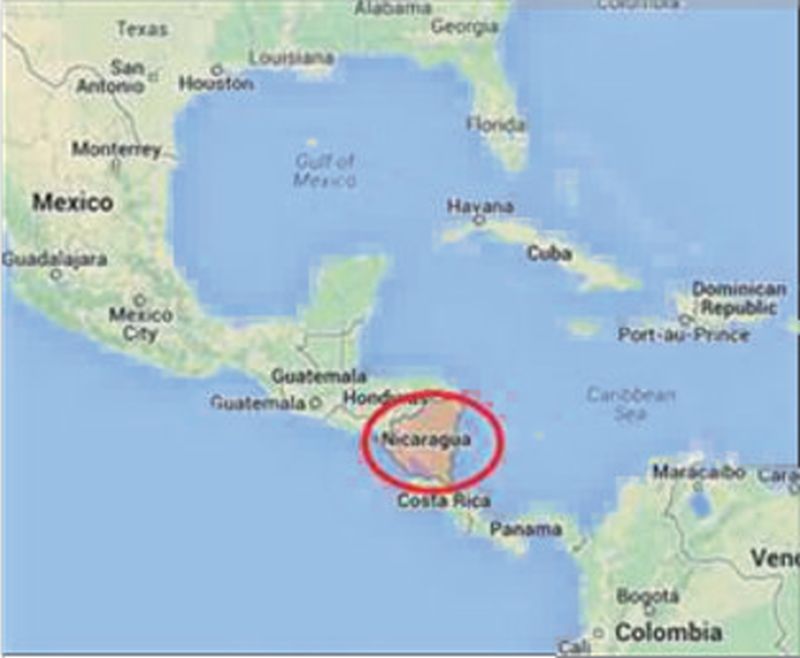
Nicaragua, the largest nation in the Central American isthmus, gained independence from Spain in 1821; the US occupied the country from 1909-1933; the Somoza family, US proxies, ruled from 1927-1979; in the 1980’s the Sandinistas prevailed, withstanding a terror campaign directed by the Reagan administration. Nicaragua is now a liberal democracy and prized by tourists for its natural beauty and warm climate.
NEW WORLD POETRY By Stephen Zelnick, Summer 2016
Nicaragua, the largest nation in the Central American isthmus, gained independence from Spain in 1821; the US occupied the country from 1909-1933; the Somoza family, US proxies, ruled from 1927-1979; in the 1980’s the Sandinistas prevailed, withstanding a terror campaign directed by the Reagan administration. Nicaragua is now a liberal democracy and prized by tourists for its natural beauty and warm climate.
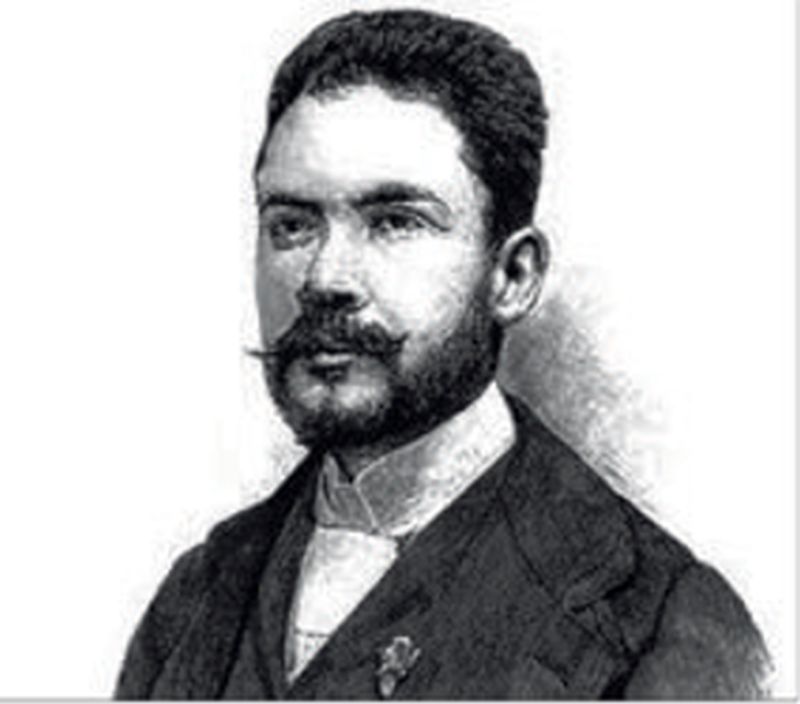
Like many Nicaraguans, Darío was mestizo with dark complexion. This meant he struggled to gain diplomatic postings to Europe, the most common route for artists. While Europe intrigued him, he embraced his indigenous origins when the US threatened Hispanic culture.
New World Poetry, Ruben Dario by Stephen Zelnick, Summer 2016
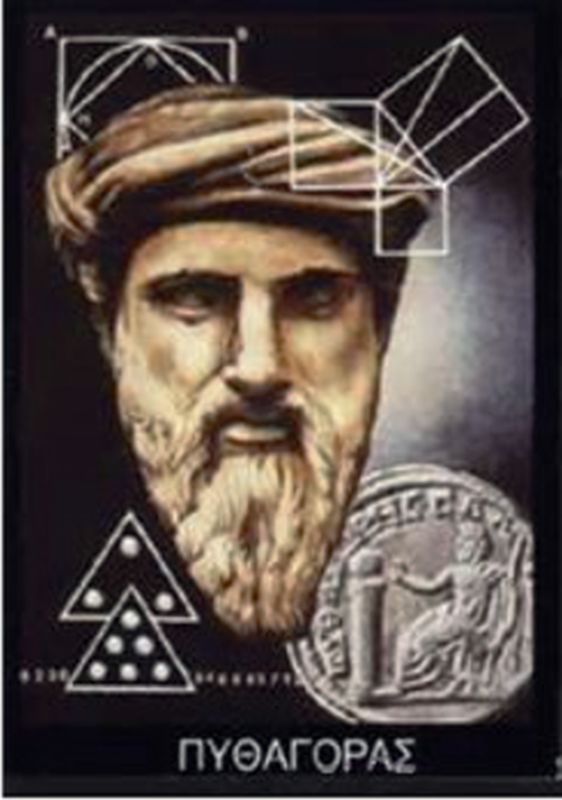
No works of Pythagoras of Samos (570-495 BCE) survive, but legend identifies him as the author of the famous geometric theorems we all know. He is also said to have been a philosopher who influenced Plato profoundly in his notions of the rational basis for all existence.
New World Poetry, Ruben Dario by Stephen Zelnick, Summer 2016
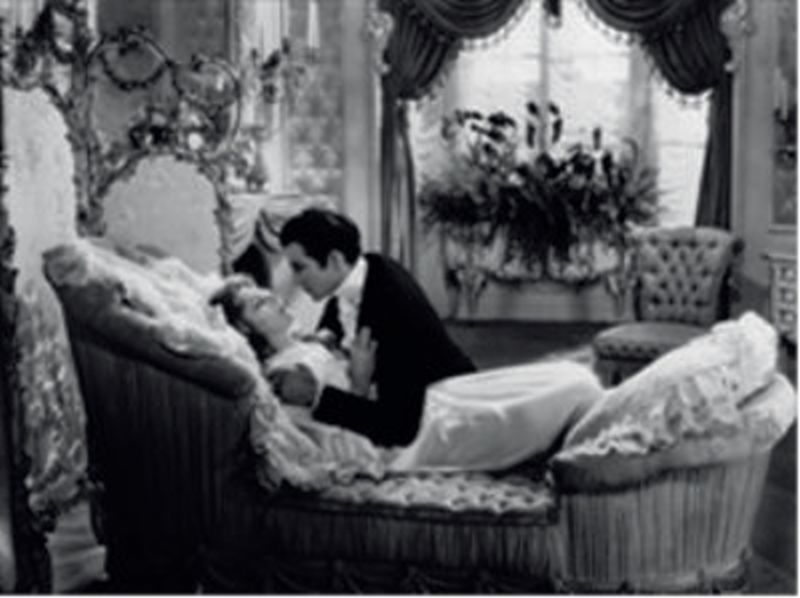
Greta Garbo and Robert Taylor in the 1936 film “Camille”, based on AlexanderDumas (son) his novel “La Dama de Las Camelias” (1848). Garbo played Margarita Gautier, the doomed courtesan pursued by her idealistic young lover. Darío’s treatment is sardonic, rejecting the
false illusions of her young lover. The novel is the source also of Verdi’s “La Traviata”.
New World Poetry, Ruben Dario by Stephen Zelnick, Summer 2016
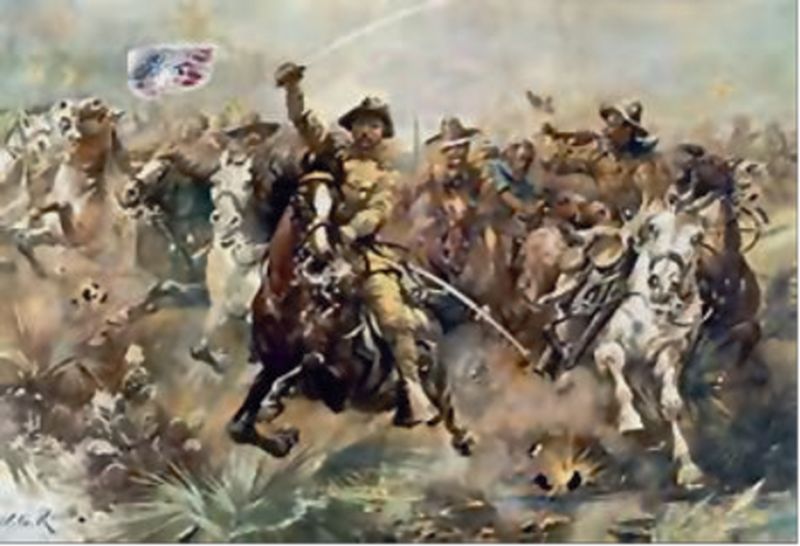
Roosevelt rose to fame by way of his heroic and well publicized charge at San Juan Hill, Cuba, in 1898
New World Poetry, Ruben Dario by Stephen Zelnick, Summer 2016
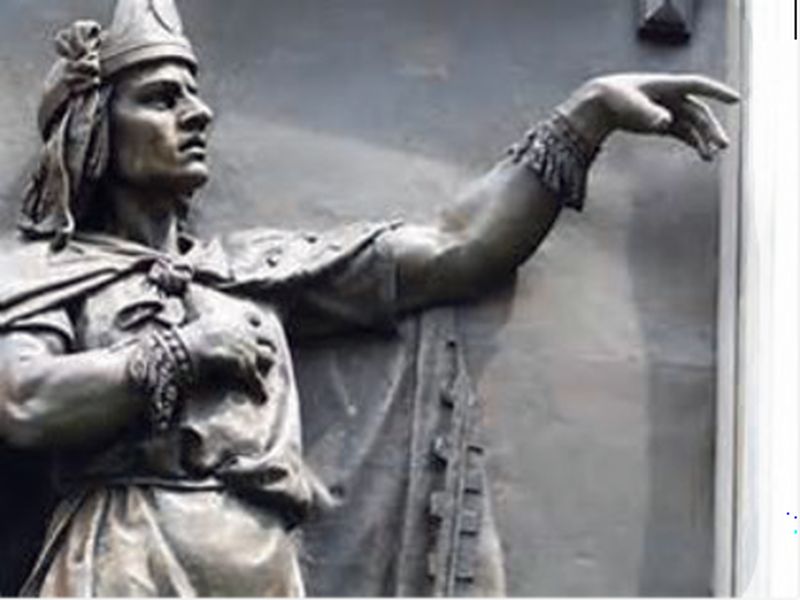
Nezahualcoyotl (1402-1472) is remembered as a poet and philosopher and wise ruler of the city-state of Texcoco in pre-Columbian Mexico. His graceful statue looks out over Mexico City
New World Poetry, Ruben Dario by Stephen Zelnick, Summer 2016
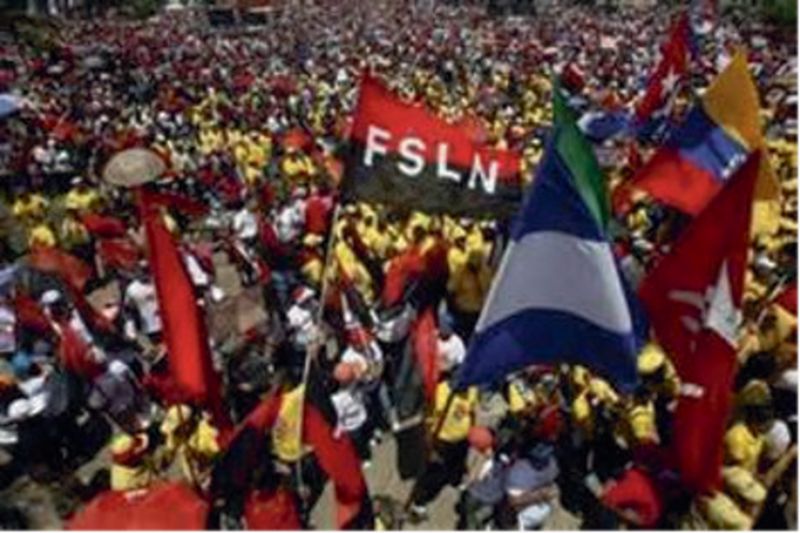
In 1979, the Sandinista Movement cast out the US-backed Somoza family that had ruled Nicaragua for 52 years. Its leader, and soon after President, Daniel Ortega, is one of the “thousands of cubs the Spanish Lion whelped.”
New World Poetry, Ruben Dario by Stephen Zelnick, Summer 2016
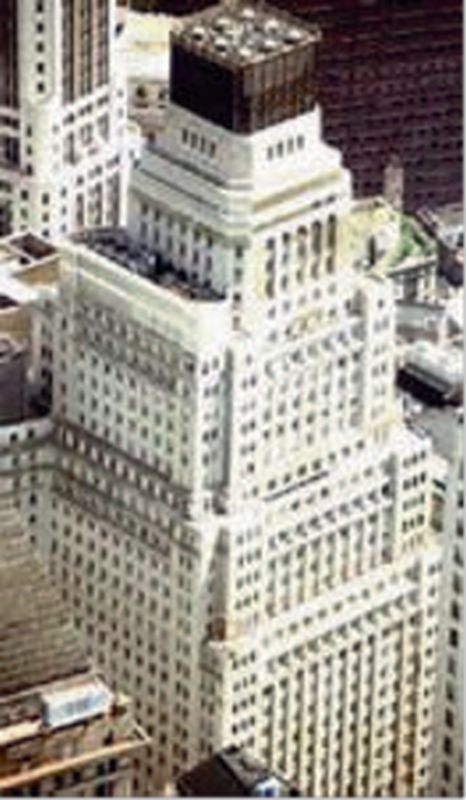
Darío’s 1913 satiric portrait of New York City, La Gran Cosmopolis anticipates Brecht’s opera “Mahagonny” (1930). New York City’s sky-scrapers, fifty-stories high, typify the massing of economic and cultural power and the global reach of the new colossus.]
New World Poetry, Ruben Dario by Stephen Zelnick, Summer 2016
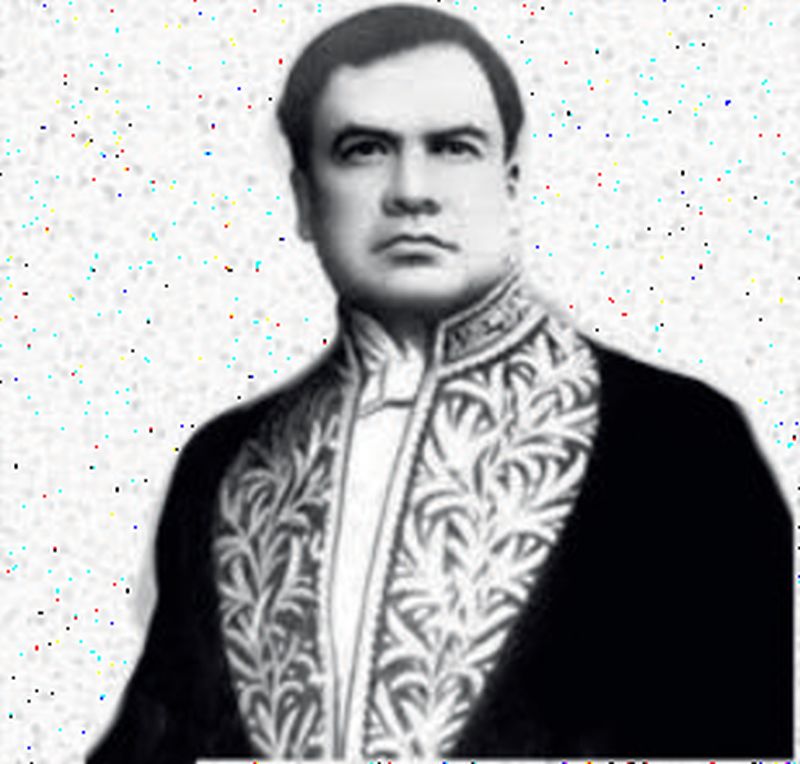
This forceful image of Darío is the most regularly reproduced on book covers and at websites
New World Poetry, Ruben Dario by Stephen Zelnick, Summer 2016
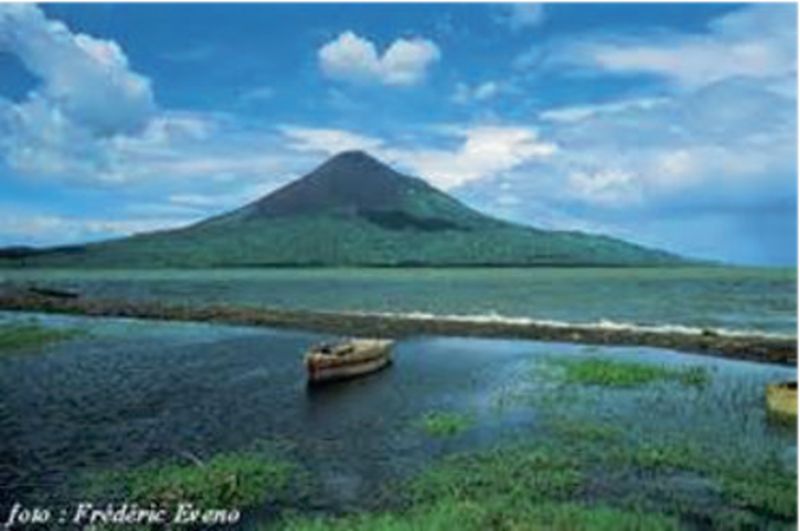
Momotombo is active volcano located on Lake Managua and serves as a proud symbol of Nicaragua. Darío’s poem (1907) seeks strength and wisdom from “the father of fire and stone”… “I beg /for the secret of your flames, your mystery of harmony, /the initiation you could give;
/I thought of you in the immensity of Ossa and Pelion, /that there are titans above in the constellations, /and below beneath earth and sea.”